
BANT: Budget, Authority, Need, Timeline Explained 🎯
Introduction to BANT 🧩
When businesses want to sell their products or services, they need to know who is a good lead and who is not. Not everyone who shows interest will actually buy. That’s where BANT comes in.
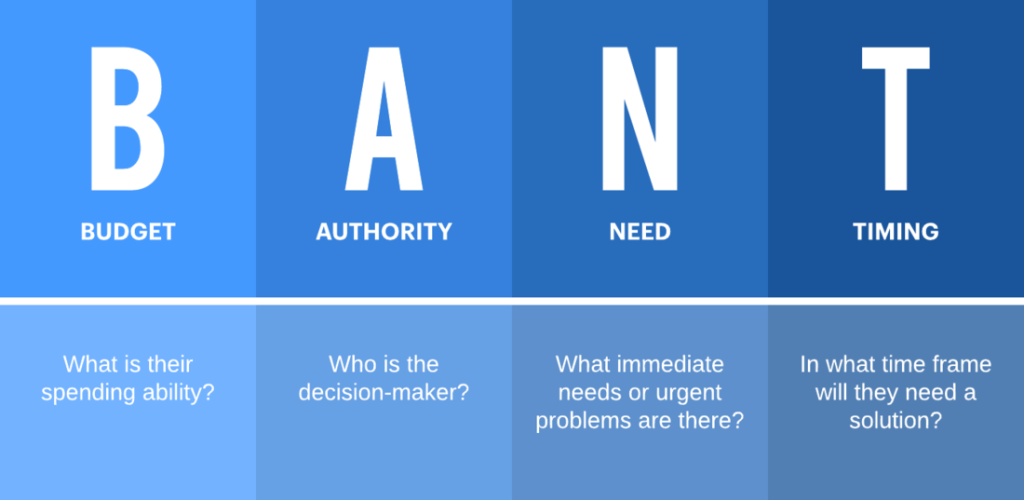
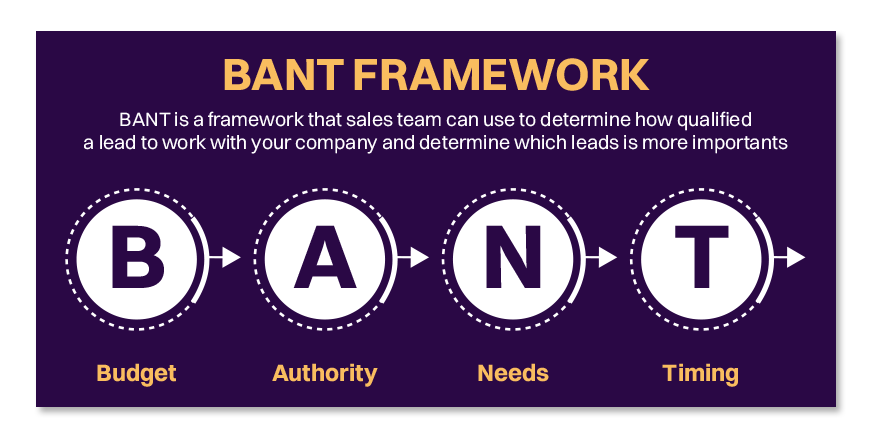
BANT stands for:
- B = Budget 💰
- A = Authority 🏢
- N = Need 🤔
- T = Timeline ⏰
This simple method was first introduced by IBM many years ago and is still one of the most trusted frameworks for sales teams worldwide.
Think of BANT as a filter 🧃. Just like we filter juice to remove seeds, salespeople filter leads to remove those who are not ready to buy.
Why BANT Matters for Businesses 🌍
Selling without BANT is like throwing darts in the dark 🎯. You might hit the target, but most of the time, you’ll miss.
With BANT, businesses can:
- Save time ⏳ by focusing on real buyers.
- Increase sales 💵 because efforts go to qualified leads.
- Build stronger relationships ❤️ with decision makers.
- Improve marketing campaigns 📈.
For example, if you are selling software worth ₹10,00,000 but your lead has only ₹50,000 as budget, they are not the right customer.
Breaking Down the Four Pillars of BANT 🏛️
1. Budget 💰
Does the customer have money to buy your product or service?
- Ask questions like: “Have you set aside a budget for this solution?”
- Without budget, even the best leads cannot buy.
2. Authority 🏢
Is the person you are speaking to the decision maker?
- Example: Talking to a junior staff member may not help. You need to reach the CEO, Director, or Purchase Manager.
- Authority ensures you are talking to someone who can say “YES.”
3. Need 🤔
Does the customer actually need your product?
- Example: Selling refrigerators to a family who already has 2 working fridges is not useful.
- But selling software to a company struggling with data management makes sense.
4. Timeline ⏰
When will the customer be ready to buy?
- Some customers may want to buy today.
- Others may say “We’ll plan in 6 months.”
- Knowing the timeline helps you plan follow-ups.
Table: Understanding BANT with Examples 📊
| BANT Element | What It Means | Example Question | Why It’s Important |
|---|---|---|---|
| Budget 💰 | Money available for purchase | “What is your budget for this project?” | Ensures they can afford your product |
| Authority 🏢 | Decision-making power | “Who else will be involved in the decision?” | Saves time by speaking to the right person |
| Need 🤔 | Whether they need your solution | “What challenges are you facing right now?” | Confirms if your solution is relevant |
| Timeline ⏰ | When they plan to buy | “When do you plan to implement this solution?” | Helps you prioritize hot vs cold leads |
How BANT Helps in Lead Qualification 🕵️
Imagine you have 100 leads. Without a framework, you might call everyone. That wastes energy.
With BANT:
- Maybe 30 have budget
- Only 15 have authority
- Around 10 really need your service
- And just 5 are ready to buy this month
So instead of wasting time on 100 people, you focus on the top 5–10 real buyers 🚀.
BANT in Real Life Example 🌟
Let’s say you are selling a CRM software.
- You call a company in Bangalore.
- The manager says, “We have ₹5,00,000 budget.” (✅ Budget)
- The call is with the IT Director. (✅ Authority)
- They complain about messy customer records. (✅ Need)
- They want to start next month. (✅ Timeline)
This is a perfect BANT-qualified lead!
Why Sales Teams Love BANT ❤️
- It’s simple and easy to remember.
- Works across industries (IT, healthcare, retail, education, etc.).
- Helps managers train new sales staff quickly.
- Aligns marketing and sales teams.
In short, BANT is like a compass for sales 🧭. It points you in the right direction.
BANT and Databases 📚
Databases play a huge role in making BANT effective.
For example, when you buy a verified Business Owners Database, you already know the authority.
When you use a C-Level Executives Database, you are targeting top decision makers directly.
And if you go for an SME Business Owners Database, you can filter by company size to match their budget.
This makes your BANT qualification process faster and smarter.
Limitations of BANT ⚠️
While BANT is great, it is not perfect.
- Sometimes leads hide their true budget.
- Authority is not always clear.
- Need can change quickly.
- Timelines often get delayed.
That’s why salespeople should use BANT as a guide, not a strict rule.
Tips to Use BANT Successfully 🌟
- Ask open-ended questions.
- Listen carefully more than you talk.
- Don’t push too hard for budget in the first call.
- Map out who has authority in the company.
- Use databases to reach the right contacts.
- Always follow up at the right time.
Related Concepts to BANT 🔄
- CHAMP Framework (Challenges, Authority, Money, Priority)
- MEDDIC (Metrics, Economic Buyer, Decision Criteria, Decision Process, Identify Pain, Champion)
- FAINT (Funds, Authority, Interest, Need, Timing)
These are modern alternatives, but BANT remains popular for its simplicity.